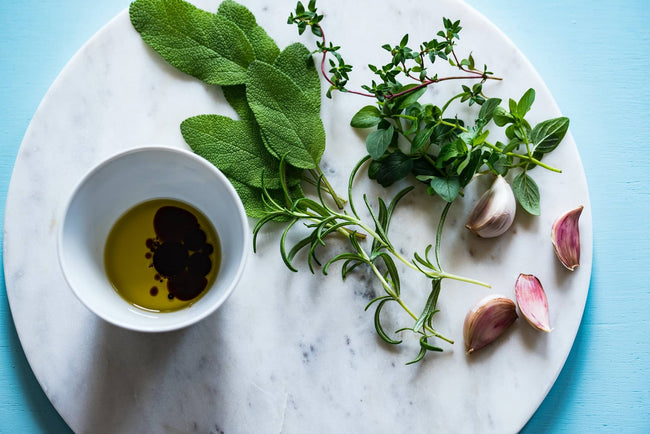


Taking care of your heart is essential to living a healthy, active life.
If you’ve ever wondered how to maintain a strong cardiovascular system, look no further than the power of herbs.
These plant-based ingredients offer a natural way to support heart function. From garlic to turmeric, herbs have long been recognized for their heart-boosting benefits.
Let’s take garlic as an example. Known for its antibacterial properties, it’s more than just a flavorful addition to your meals. Garlic has been studied for its support of blood vessel health and healthy cholesterol levels. By simply incorporating garlic into your diet, you might be actively promoting a healthier heart.
Speaking of which, Snap Supplements blends modern science with these traditional remedies. Our Heart Beets and Heart Health supplements are packed with powerful herbs to enhance heart function and overall wellness.
The good news?
You can easily incorporate these herbs into your lifestyle through a nutrient-packed diet or a high-quality supplement routine.

So, how can you get started?
In this blog, you will learn:
-
How specific herbs like garlic, hawthorn, and turmeric benefit heart health
-
The role of modern science in enhancing traditional herbal remedies
-
How to incorporate these herbs into your daily routine for maximum heart health benefits
Let’s explore how you can harness the benefits of these natural remedies to keep your heart healthy. It’s all about being mindful of the herbs you choose and making them a part of your daily routine for lasting cardiovascular wellness.

Understanding Cardiovascular Health
Your cardiovascular system is crucial for delivering oxygen and nutrients throughout your body. It includes your heart and blood vessels, which work together to maintain circulation and overall health.
A healthy lifestyle helps protect your heart. Regular exercise, a balanced diet, and managing stress are key ways to support cardiovascular health. Avoid smoking, as it can harm your blood vessels and lead to heart disease.
Certain herbs and supplements can be beneficial for your heart. For example, we offer products that capitalize on modern science and natural ingredients to support cardiovascular function.
It's essential to keep your blood pressure and cholesterol levels in check. These factors significantly affect heart health. Maintaining a healthy weight further contributes to keeping your cardiovascular system working optimally. Eating plenty of fruits and vegetables provides your body with antioxidants. These can protect your heart by reducing inflammation and oxidative stress, common contributors to heart disease.
Regular check-ups with your healthcare provider can also monitor your heart health. They can give you personalized advice that suits your needs and conditions.
{recommended_product_3}
Role of Herbs in Cardiovascular Wellness
Herbs can significantly enhance heart health by providing natural benefits that may help improve circulation, help soothe inflammatory symptoms, and support overall cardiovascular function. They can be used alongside conventional treatments.
Medicinal Properties of Herbs
Herbs like garlic, turmeric, and hawthorn are known for their heart-supporting properties.
-
Garlic is believed to help support healthy blood pressure and improve cholesterol levels.
-
Meanwhile, turmeric contains curcumin, which may help soothe inflammatory symptoms and support heart function.
-
Lastly, hawthorn has been used traditionally to support heart muscle strength and improve blood flow.
These herbs contain antioxidants that help protect cells from oxidative stress. Incorporating these herbs into your diet may support your heart health naturally.
Herbs Vs. Conventional Medicine
Herbs can complement, but not replace, the care you get from your doctor.
Herbs take a whole-body approach, supporting healthy circulation and a healthy inflammatory response.
Herbs are generally gentle, but they still have real effects and can interact with medications.
Nonetheless, it is essential to consult healthcare professionals before making changes to your treatment plan, especially when combining herbs with prescriptions.
Key Herbs for Heart Health
Herbs play a significant role in supporting heart health by managing cholesterol levels and promoting efficient heart function. These herbs have unique properties that contribute to cardiovascular well-being.
Garlic for Cholesterol Management
Garlic is well-known for its ability to help manage cholesterol levels.
Some studies suggest garlic preparations taken for more than two months may help support healthy cholesterol levels.[1] This makes it a heart-friendly addition to your meals. Allicin, a compound in garlic, is believed to be responsible for these benefits.
Adding garlic to your meals is simple. Use it raw or cooked in dishes like roasted vegetables or pasta.

Hawthorn for Heart Muscle Support
Hawthorn is a potent herb used to support heart muscle function.
It contains antioxidants like flavonoids, which support healthy blood flow. Hawthorn has traditionally been used to support heart function.
Typically, hawthorn is consumed in teas, tinctures, or capsules. When using supplements, ensure they are from a provider known for quality and efficacy.
When considering hawthorn for heart health, consulting a healthcare professional for advice is always good.
Green Tea for Endothelial Function
Green tea is renowned for its benefits on endothelial function, which is vital for blood vessel health.
The antioxidants in green tea, such as catechins, help improve blood flow and reduce oxidative stress in the cardiovascular system. Regular consumption of green tea can contribute to better heart health and support healthy blood pressure.[2]
Green tea can be enjoyed as a hot or cold beverage to take advantage of these benefits. Green tea extract supplements are available for those who prefer a more potent dose.
Including green tea in your daily habits can be a straightforward way to support heart health.
Herbal Formulas and Blends
Herbal formulas can enhance cardiovascular health by managing stress and protecting the heart with antioxidants. These blends use a combination of herbs to support overall wellness and promote heart function.
Adaptogenic Herbs for Stress Reduction
Adaptogenic herbs help balance your body's response to stress, which benefits your heart.
Ashwagandha, a well-known adaptogen, lowered morning cortisol levels in stressed adults in a randomized trial; rhodiola is another popular adaptogen.[3] High cortisol can strain the heart, so managing stress is crucial.
Rhodiola also enhances mental focus and endurance, making it popular for busy lifestyles. These herbs work best in a balanced lifestyle with a good diet and sleep.
Antioxidant-rich Blends for Heart Protection
Antioxidant-rich blends protect the heart by neutralizing free radicals, which can damage heart cells. Turmeric and green tea are potent sources of natural antioxidants. They can help soothe inflammatory symptoms and improve heart function.
Turmeric contains curcumin, which may benefit blood vessels.[4] Meanwhile, green tea, rich in catechins, supports healthy blood flow. Many turn to herbal blends that combine these antioxidants to boost heart protection.
Incorporating Herbs into a Heart-Healthy Diet
Incorporating herbs can significantly enhance your cardiovascular wellness. Adding herbs to your diet allows you to enjoy flavorful meals while supporting heart health with natural ingredients.
Dietary Tips for Adding Herbs
Try incorporating herbs like garlic, ginger, and turmeric into your meals to boost heart health.
-
Garlic is known for its ability to help support healthy blood pressure and improve circulation. It can be used fresh in salads or cooked into dishes.
-
Turmeric, rich in curcumin, is praised for its anti-inflammatory properties and can be added to soups, stews, or smoothies.
-
Meanwhile, ginger, another powerful herb, may help support healthy cholesterol levels.[5] You can grate fresh ginger into stir-fries or brew it in tea.
Using spices and herbs instead of salt also helps maintain healthy blood pressure.
Experiment with herbs like basil, oregano, and thyme to flavor foods. Growing a small herb garden on your windowsill can provide you with fresh options for your culinary creations.
Lifestyle Factors in Cardiovascular Health
Improving cardiovascular health involves maintaining a balanced lifestyle. Exercise and stress management are crucial in keeping your heart strong and healthy. Focusing on these areas can foster better heart health.
Exercise and Physical Activity
Regular physical activity can significantly improve cardiovascular health.
Walking, swimming, or cycling for at least 30 minutes daily helps strengthen the heart, support healthy blood pressure, and enhance circulation.
It is essential to include aerobic exercises and strength training in your routine. These activities increase your heart rate and build muscle, which can help you manage cholesterol and weight.
Consistency is key. Start small and gradually increase the intensity and duration as your fitness level improves. Use tracking tools or apps to monitor your progress and stay motivated.
Stress Management Techniques
Managing stress is vital for maintaining cardiovascular health.
Chronic stress can lead to hypertension and increase the risk of heart disease. Finding effective ways to manage stress can significantly benefit your heart. Techniques such as deep breathing, meditation, and yoga reduce stress levels. These practices help calm the mind and lower stress hormones in the body.
Making time for hobbies and ensuring you get enough sleep each night is also crucial. Connecting with others and seeking support from family and friends can offer emotional relief.
Safety and Precautions
When considering herbs for cardiovascular health, it's essential to be aware of potential interactions with medications and the importance of proper dosages to avoid side effects. Being informed can help you use these supplements wisely.
Interactions with Medications
Herbs can sometimes affect how your medications work.
Some herbs, like St. John's Wort, might interact with blood pressure or blood-thinning medications. It's essential to be cautious and informed.
For example, garlic supplements might enhance the effects of blood thinners. Consult a healthcare professional before starting any supplement, especially if you're on prescribed medication. They can provide guidance on whether combining herbs with your medications is safe.
Always inform your doctor about all supplements you plan to use to ensure no dangerous interactions.
Recommended Dosages and Side Effects
Proper dosage is crucial when taking herbal supplements.
Too much can lead to unwanted side effects. Depending on the herb, common side effects might include digestive issues or allergic reactions.
For example, Hawthorn is often used for heart health but should be taken in moderation to avoid dizziness or a drop in blood pressure. It's important to follow dosage recommendations on the product label.
Snap Supplements ensures dosage guidance is clear on all products to assist you in sustaining your health without adverse effects. If side effects occur, stop the supplement and consult your doctor.
Always use supplements as part of an informed health plan.
Consulting Healthcare Professionals
Before adding herbs to support cardiovascular health, consult with healthcare professionals. They can help ensure that herbs and supplements complement any existing treatments or medications.
Talking to a doctor or a registered dietitian can provide personalized advice. This is especially important if you have conditions like high blood pressure, cholesterol issues, or heart disease.
Communication is key. Share information about your diet, exercise habits, and any supplements you are taking. This helps your healthcare provider make informed decisions about your heart health.
Herbs and Possible Interactions
-
Garlic: May interact with blood thinners.
-
Ginseng: Could raise blood pressure in some people.
-
Hawthorn: Might lower blood pressure too much when combined with blood pressure medication.
These possible interactions highlight why professional guidance is important.
Questions to Ask Your Provider
-
Are there any side effects with these herbs?
-
How should I adjust my medication if I take these supplements?
-
What are the recommended doses?
Taking these steps ensures that you prioritize safety and effectiveness while exploring natural ways to support heart health.
Emerging Research on Herbs and Heart Health
Research into how herbs can support heart health is growing.
Many studies focus on botanical ingredients that may positively affect the cardiovascular system. For example, herbs like garlic, hawthorn, and turmeric are being studied for their potential benefits for the heart.
Garlic is known for its ability to promote healthy cholesterol levels and blood pressure. Studies have shown that it may also improve blood circulation. Meanwhile, hawthorn is gaining attention for its role in supporting heart function. It is believed to help improve blood flow and strengthen heart muscles.
Turmeric contains a powerful compound called curcumin, which has anti-inflammatory properties. Over time, this may help soothe inflammatory symptoms in blood vessels and improve heart health.
We incorporate some of these herbs, alongside other natural ingredients, to create products aimed at boosting cardiovascular health.
Ongoing research continues to explore new ways these herbs can benefit heart health. With growing evidence, interest in natural solutions remains strong. Always check with a healthcare professional before adding new supplements to your routine to ensure they suit you.
Global Traditions in Herbal Remedies
Many cultures worldwide have used herbs for cardiovascular health.
-
In China, traditional medicine uses ginseng to support heart health. This herb is believed to improve circulation and reduce fatigue, making it a popular choice among Chinese herbalists.
-
In India, Ayurveda emphasizes using several herbs like turmeric and ashwagandha. Turmeric is valued for its anti-inflammatory properties, while ashwagandha is known to help reduce stress, which can benefit heart health.
-
Native American traditions include the use of hawthorn berry. This berry is often used to improve blood flow and strengthen the heart. Hawthorn is respected for its potential to support healthy blood pressure and enhance heart function.
Herbs commonly used:
-
Ginger: Ginger is found in various herbal traditions and is known for its ability to enhance circulation and help soothe inflammatory symptoms.
-
Garlic: Widely used in different cultures, garlic is famed for its heart-protective qualities, often helping manage cholesterol levels.
By choosing products that merge traditional knowledge with scientific research, you can enhance your cardiovascular well-being naturally.
Frequently Asked Questions
You’re probably wondering how these herbs can make a real difference in your heart health. Maybe you're considering adding a few of them into your routine but aren’t sure where to start or what to expect. Here are some frequently asked questions that can guide you toward a healthier, happier heart.
What herbs are known to improve heart circulation?
Herbs like ginger and garlic are known to support heart circulation. Ginger may help by supporting healthy blood pressure and cholesterol levels. Meanwhile, garlic is often used to improve blood flow due to its potential to support healthy blood vessel function.
Which herbs support a healthy inflammatory response?
Turmeric, containing curcumin, is renowned for its anti-inflammatory properties. Hawthorn is also used to help soothe inflammatory symptoms and strengthen the heart. Both herbs are popular for their potential benefits in heart health.
What are the top recommended herbs for managing heart palpitations?
If you notice heart palpitations, talk to your doctor first so they can check the cause. Lemon balm and motherwort are traditionally used for their calming effects during stressful times.
Can you list effective Indian herbs for supporting heart health?
Indian herbs like ashwagandha and arjuna are traditionally used to support heart health. Ashwagandha is known for reducing stress, and arjuna is used to improve overall heart functions.
Are there other nutrients that support heart health?
Natural remedies such as omega-3 fatty acids, CoQ10, and magnesium are commonly used to support heart health as part of a balanced routine.
Which foods and herbs are considered beneficial for maintaining cardiovascular health?
Foods rich in omega-3s, such as fish, nuts, and seeds, are beneficial for heart health. Beets and green tea also offer cardiovascular benefits.
Sources
- Ried K, Toben C, Fakler P Effect of garlic on serum lipids: an updated meta-analysis. Nutr Rev. 2013. PubMed
- Xu R, Yang K, Ding J, et al. Effect of green tea supplementation on blood pressure: A systematic review and meta-analysis of randomized controlled trials. Medicine (Baltimore). 2020. PubMed
- Lopresti AL, Smith SJ, Malvi H, et al. An investigation into the stress-relieving and pharmacological actions of an ashwagandha (Withania somnifera) extract: A randomized, double-blind, placebo-controlled study. Medicine (Baltimore). 2019. PubMed
- Hallajzadeh J, Milajerdi A, Kolahdooz F, et al. The effects of curcumin supplementation on endothelial function: A systematic review and meta-analysis of randomized controlled trials. Phytother Res. 2019. PubMed
- Pourmasoumi M, Hadi A, Rafie N, et al. The effect of ginger supplementation on lipid profile: A systematic review and meta-analysis of clinical trials. Phytomedicine. 2018. PubMed